Introduction
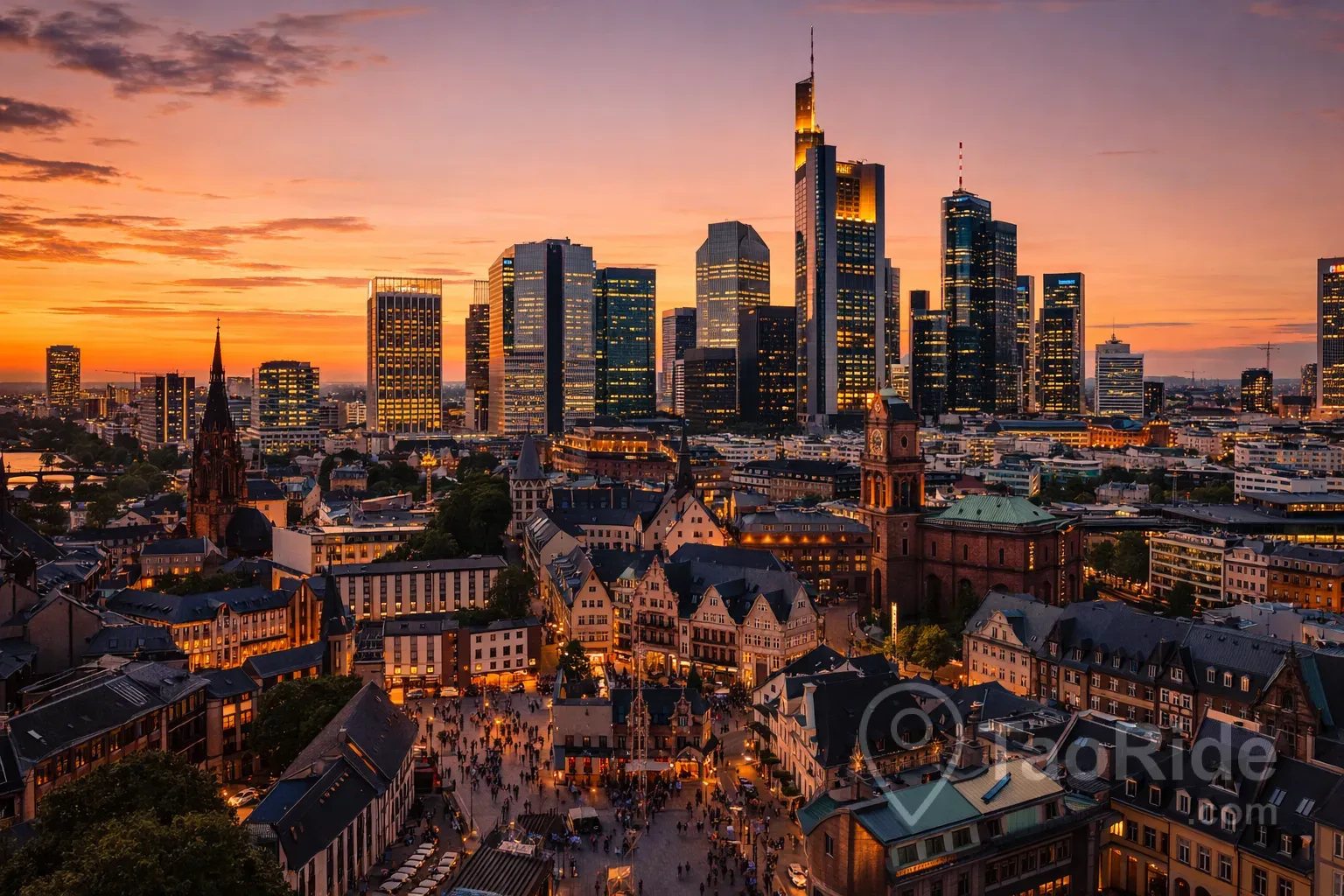
Frankfurt, a bustling metropolis located in the heart of Germany, is renowned for its striking skyline, rich history, and vibrant culture. As Europe's financial hub, this city is much more than just banks and business; it offers a plethora of experiences, from historic sites to culinary delights. Whether you're visiting for work or leisure, Frankfurt has something for everyone.
Need a comfortable transfer?
Private door-to-door ride with professional driver
General Overview / Key Facts
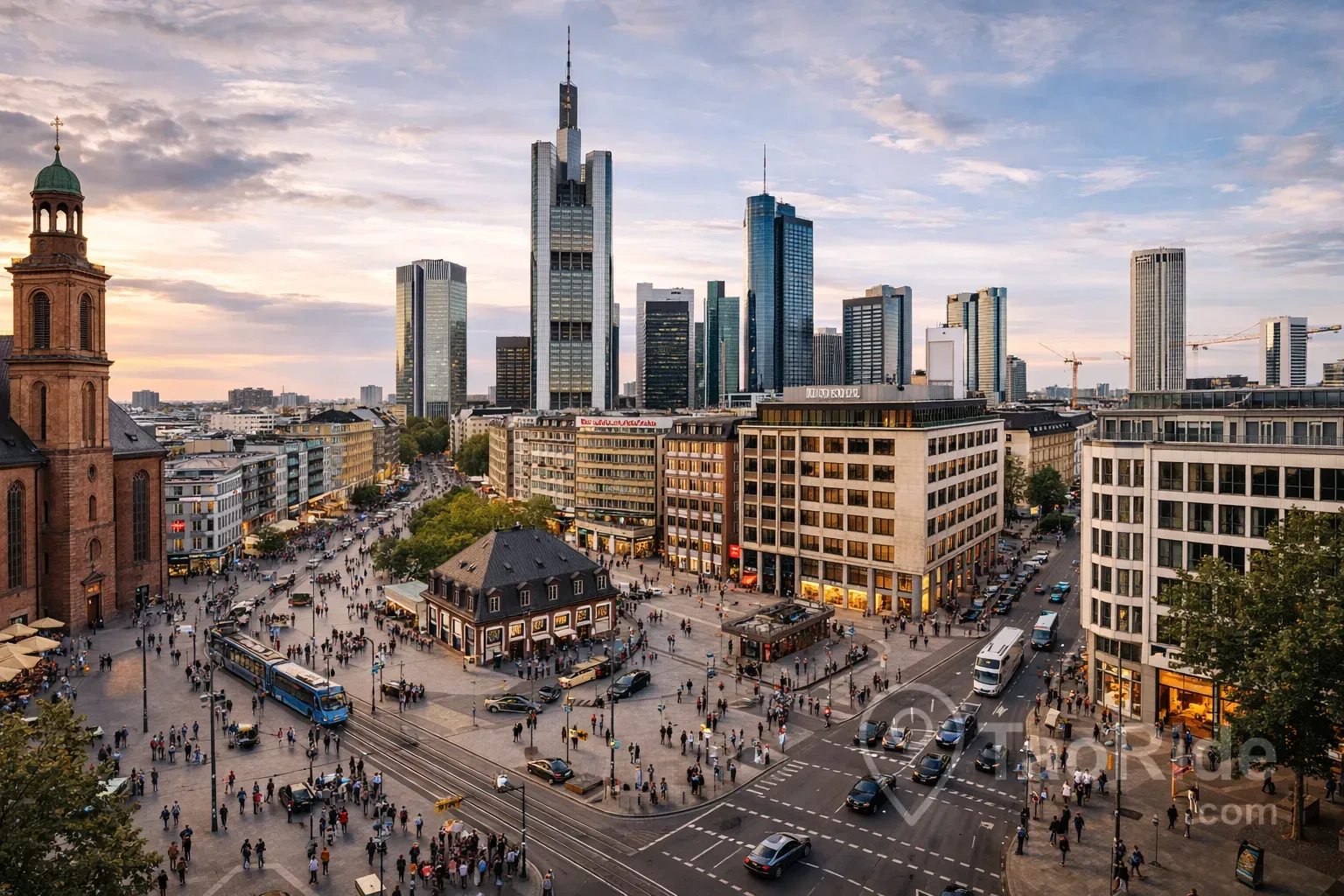
Frankfurt is the fifth-largest city in Germany and serves as a major financial center, housing the European Central Bank. With a population of over 700,000, it is known for its multicultural atmosphere and diverse population. The city boasts a unique blend of modern architecture and traditional German charm, making it a fascinating destination for travelers.
- Location: Hesse, Germany
- Population: Approximately 700,000
- Main Language: German
- Currency: Euro (€)
- Best Time to Visit: Spring and early autumn for pleasant weather
Transportation
Frankfurt has a well-connected transportation system, including trams, buses, and trains, making it easy to navigate the city. The Frankfurt Airport is one of the busiest in Europe, providing convenient access to international flights.
Need a comfortable transfer?
Private door-to-door ride with professional driver
Practical Tips / Advice
When visiting Frankfurt, it's important to plan ahead to make the most of your trip. Here are some handy tips:
- Public Transport: Consider purchasing a day pass for unlimited travel on local transport.
- Local Cuisine: Don’t miss trying the famous Frankfurter sausages and Apfelwein (apple wine).
- Walking Tours: Explore the city on foot or join guided tours to learn about its history.
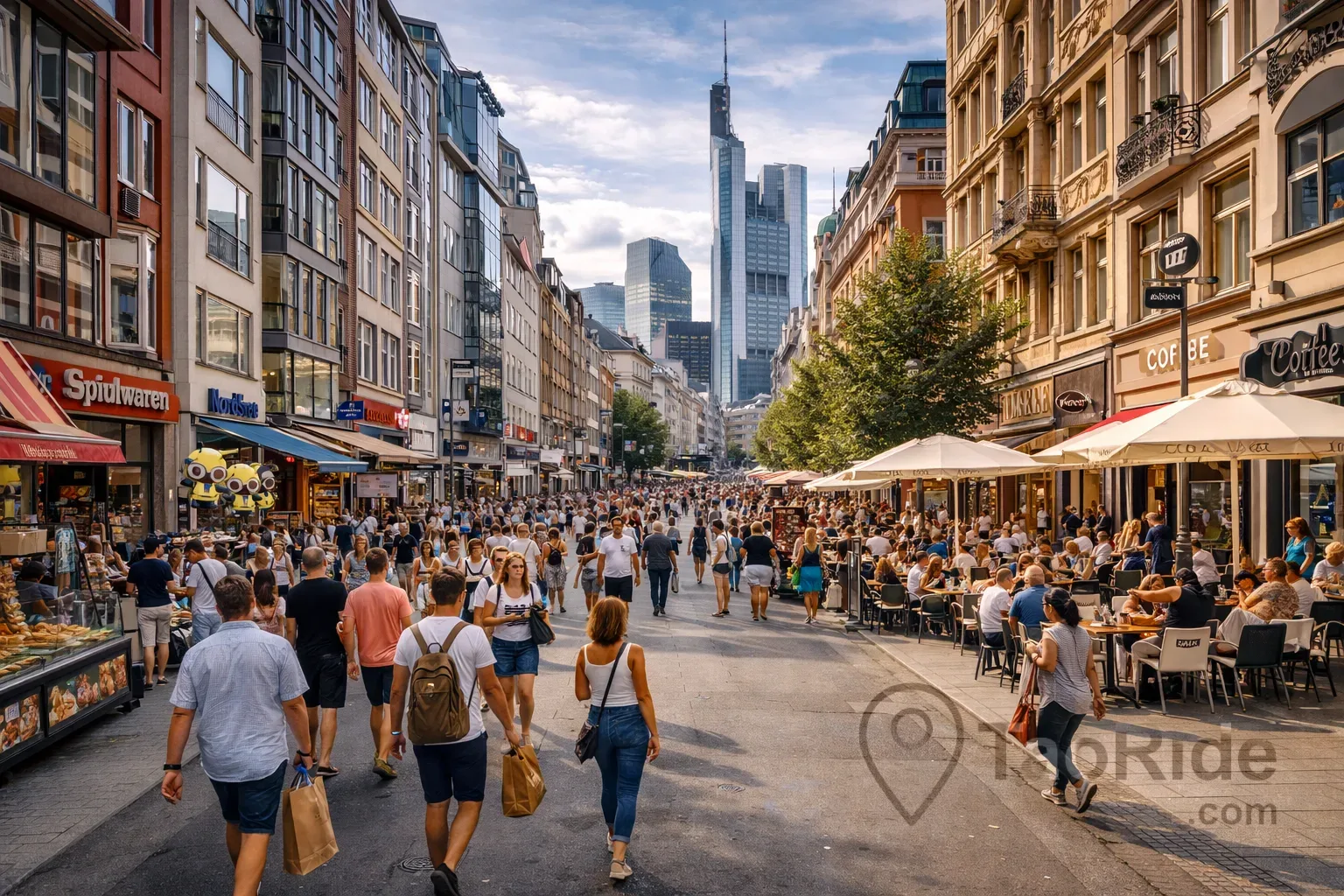
- Shopping: Visit the Zeil, Frankfurt's main shopping street, for a mix of high-end and local stores.
Need a comfortable transfer?
Private door-to-door ride with professional driver
Historical Background / Origins
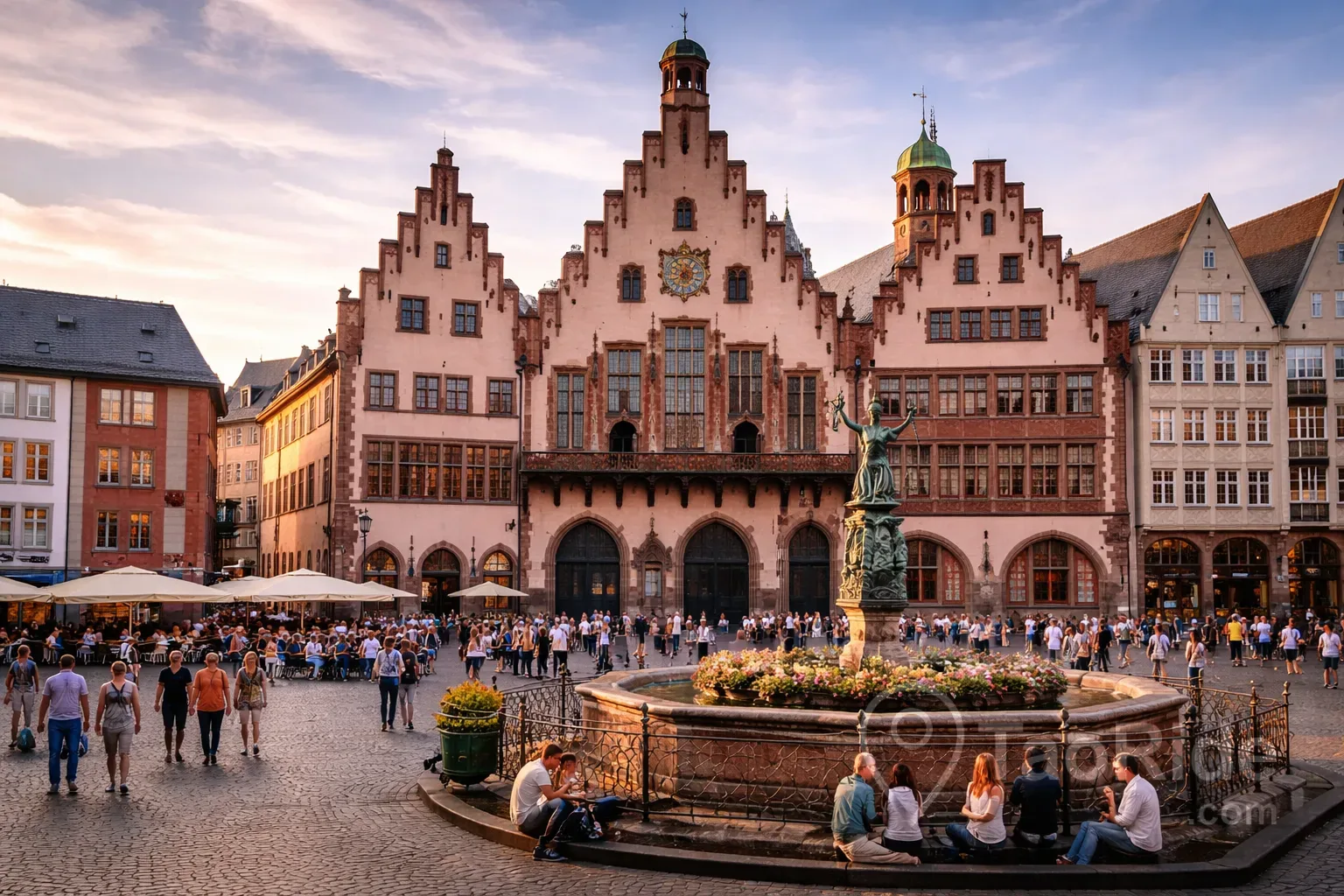
Frankfurt has a rich history dating back to Roman times when it was a significant trade center. The city's name is derived from the Frankish tribe, and it became an important location during the Holy Roman Empire. The Römer, Frankfurt's city hall, dates back to the 14th century and is a key symbol of the city's heritage.
The city played a pivotal role in the development of Germany, hosting the first German National Assembly in 1848 and becoming a symbol of democracy. Despite facing severe destruction during World War II, Frankfurt has been rebuilt and now stands as a testament to resilience and renewal.
Conclusion / Summary
Frankfurt is a dynamic city that perfectly blends the old with the new. From its impressive skyline to its rich history, there is much to explore and enjoy. Whether you're here for business or leisure, the charm of Frankfurt will undoubtedly leave a lasting impression. So pack your bags and get ready to discover all that this remarkable city has to offer!